
Huanglong National Park
Huanglong National Park (Huanglong Scenic and Historic Interest Area) , nestled in Songpan County, Aba Tibetan and Qiang Autonomous Prefecture in northern Sichuan Province, is a UNESCO World Natural Heritage site that ranks among the most extraordinary geological wonders on Earth . Its name, meaning "Yellow Dragon" in Chinese, perfectly captures the park's most iconic feature—a 3.6-kilometer-long travertine formation that winds through the valley like a massive golden dragon descending from snow-capped peaks .
Situated at elevations ranging from 1,700 to 5,588 meters (5,577 to 18,333 feet), with Xuebaoding—the main peak of the Minshan Mountains and the easternmost glacier in China—towering above, Huanglong is both a scenic masterpiece and a critical biodiversity refuge . It is widely celebrated as the "Fairyland on Earth" and the "Heavenly Jade Pool" .
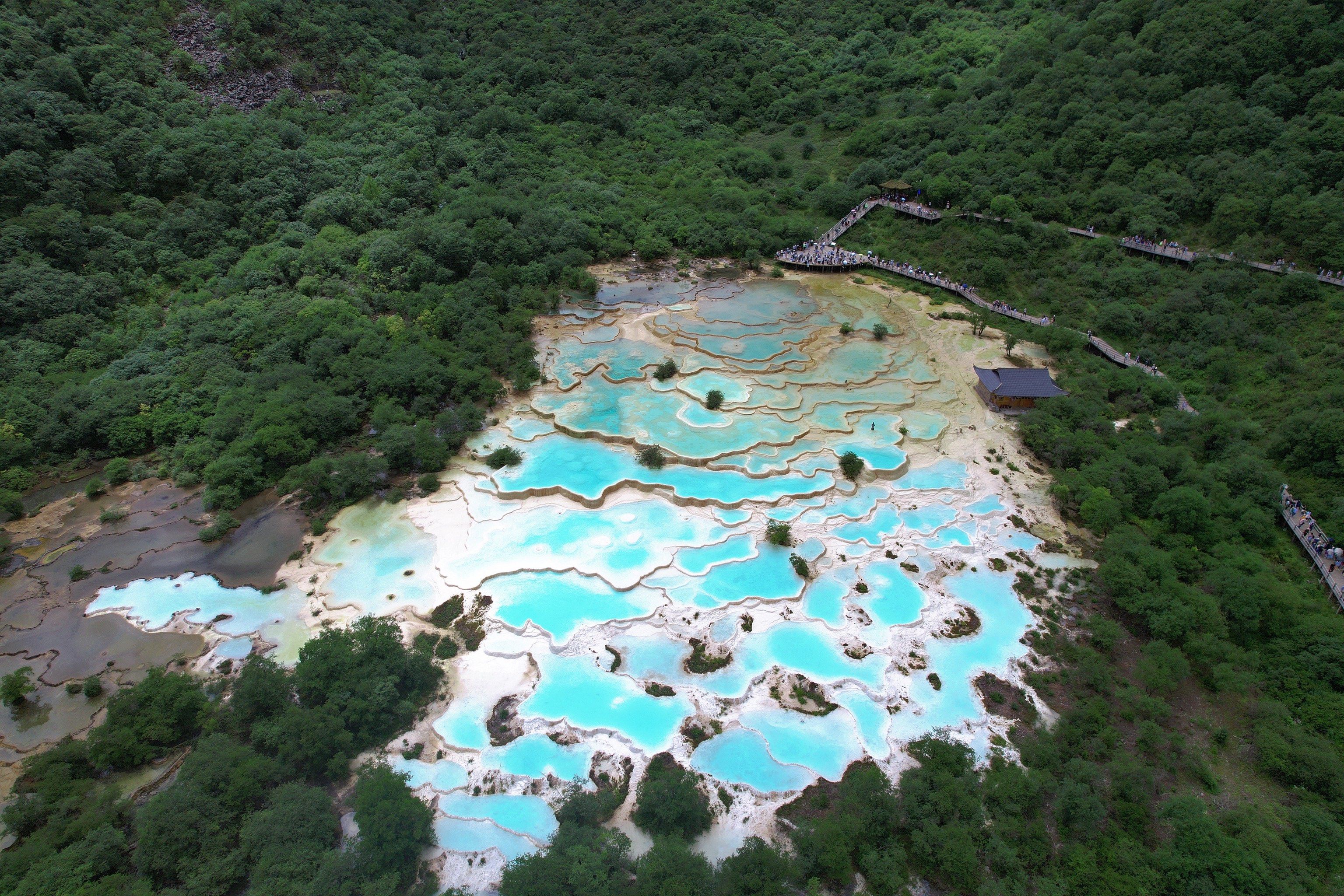
A Geological Masterpiece: The Travertine Terraces
Huanglong is globally renowned for its travertine (calcified) formations—a rare karst phenomenon created over millennia as mineral-rich spring water flows down the mountain, depositing calcium carbonate that gradually builds natural dams, terraces, and pools. These formations are widely considered unique in all of Asia and rank among the top three most outstanding examples in the world .
The park features more than 3,400 travertine pools, each varying in color, shape, and depth . The interplay of sunlight, mineral content, algae, and water depth produces an astonishing spectrum of colors—from turquoise and emerald green to sapphire blue, golden yellow, and milky white.
Must-See Attractions
1. Five-Color Pond (Wucai Chi) – The Crown Jewel
Perched at the highest point of Huanglong Valley at approximately 3,576 meters (11,732 feet), the Five-Color Pond is the soul of the park . This breathtaking cluster comprises 693 individual travertine pools, arranged in natural terraces that cascade down the mountainside . The name derives from the incredible palette of colors on display—from deep indigo and turquoise to amber, emerald, and milk-white—created by varying water depths and rich mineral deposits. Framed by the majestic, snow-capped Xuebaoding and the ancient Huanglong Temple, this scene is often described as almost spiritual in its beauty .
2. Golden Sand Beach (Jinsha Tandi)
Stretching approximately 2,500 meters (8,200 feet) in length and over 100 meters wide, this is the world's largest and most spectacular travertine stream . The golden calcified shoal glistens under sunlight, creating the illusion of flowing golden sand—as if walking on the scales of the legendary yellow dragon.
3. Bonsai Pool (Penjing Chi)
Crystal-clear water fills travertine pools whose edges resemble natural basin rims. Pine branches cast reflections onto the water surface, creating a scene that looks exactly like a giant traditional Chinese bonsai arrangement .
4. Mirror Reflection Pool (Jingying Chi)
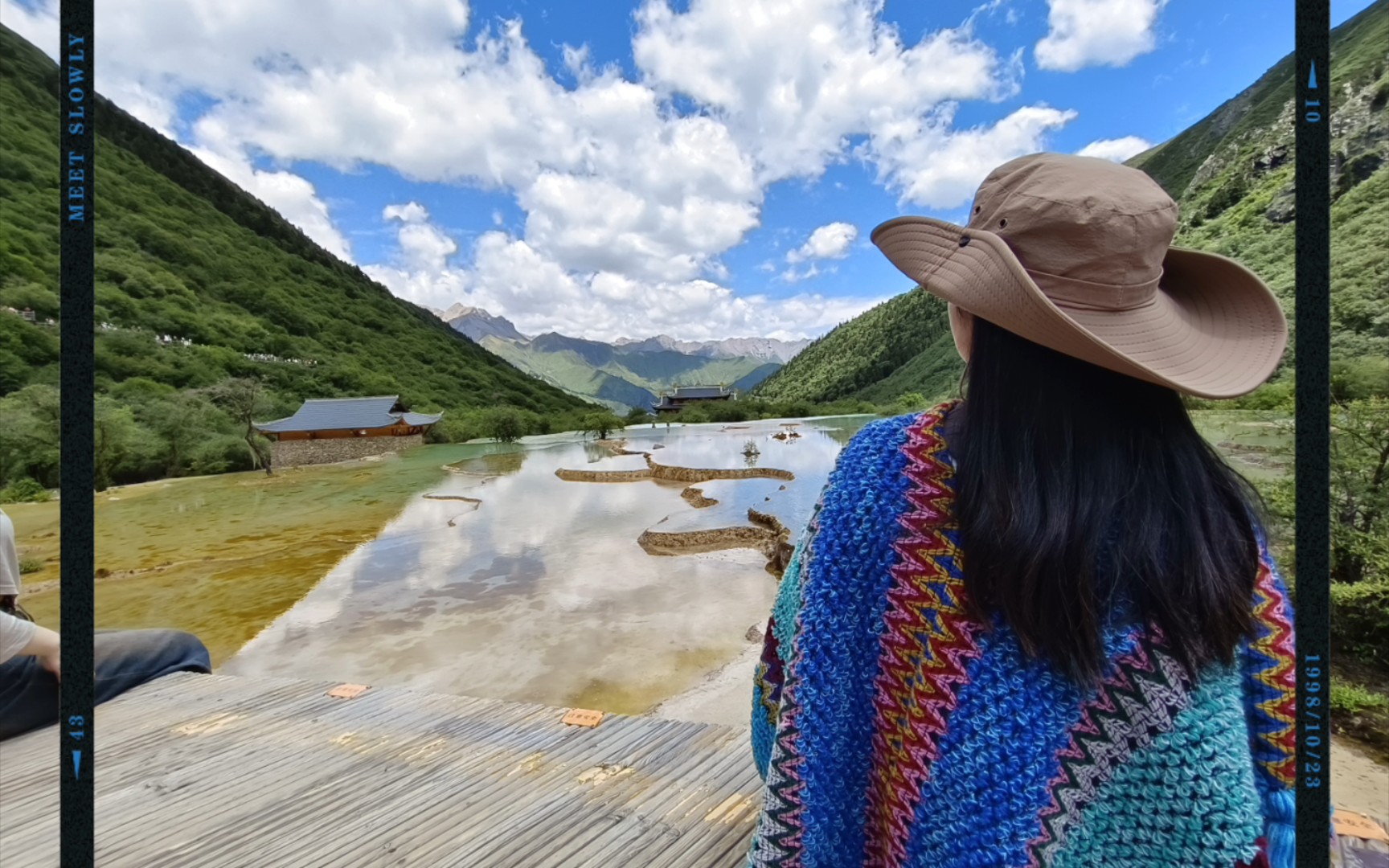
True to its name, this pool's surface is so smooth and clear that it perfectly reflects the blue sky, snowy peaks, and surrounding forest, creating a flawless mirror image of the alpine landscape .
5. Competing Colorful Pools (Zhenyan Caichi)
An impressive cluster of 658 pools arranged in staggered formation. The travertine dike walls display varying colors due to differences in mineral deposit thickness, creating a stunning competition of hues that shift with the light .
6. Huanglong Temple
Located near the Five-Color Pond at approximately 3,500 meters (11,483 feet), this ancient temple dates back to the Ming Dynasty (1368–1644) . It is a rare site where Tibetan Bon religion and Taoism coexist, offering visitors a glimpse into the region's rich spiritual heritage while providing an ideal photo spot blending cultural and natural beauty.
7. Flying Waterfall and Flowing Light (Feipu Liuhui)
A series of five karst waterfalls where travertine formations create dramatic cascades. During sunset, the waterfalls refract rainbow-like halos, creating a stunning visual effect that photographers dream of capturing.

Rich Biodiversity and Conservation
As a UNESCO World Heritage site inscribed in 1992, Huanglong covers 60,000 hectares of diverse forest ecosystems within the Minshan Mountains . The park serves as a critical habitat for several endangered species, including:
-The Giant Panda (Ailuropoda melanoleuca)
-The Sichuan Golden Snub-nosed Monkey (Rhinopithecus roxellana)
The property is surrounded on three sides by precipitous peaks, and strict management through a zoning system ensures that tourist impacts remain controlled while wildlife populations continue to recover.
Best Time to Visit
Autumn (mid-October to early November) – The most spectacular season. Golden and crimson foliage contrasts brilliantly with the turquoise pools, creating a visual feast .
Summer (June to August) – Peak water volume means pools are full and waterfalls at their most dramatic. Lush green forests frame the travertine terraces beautifully.
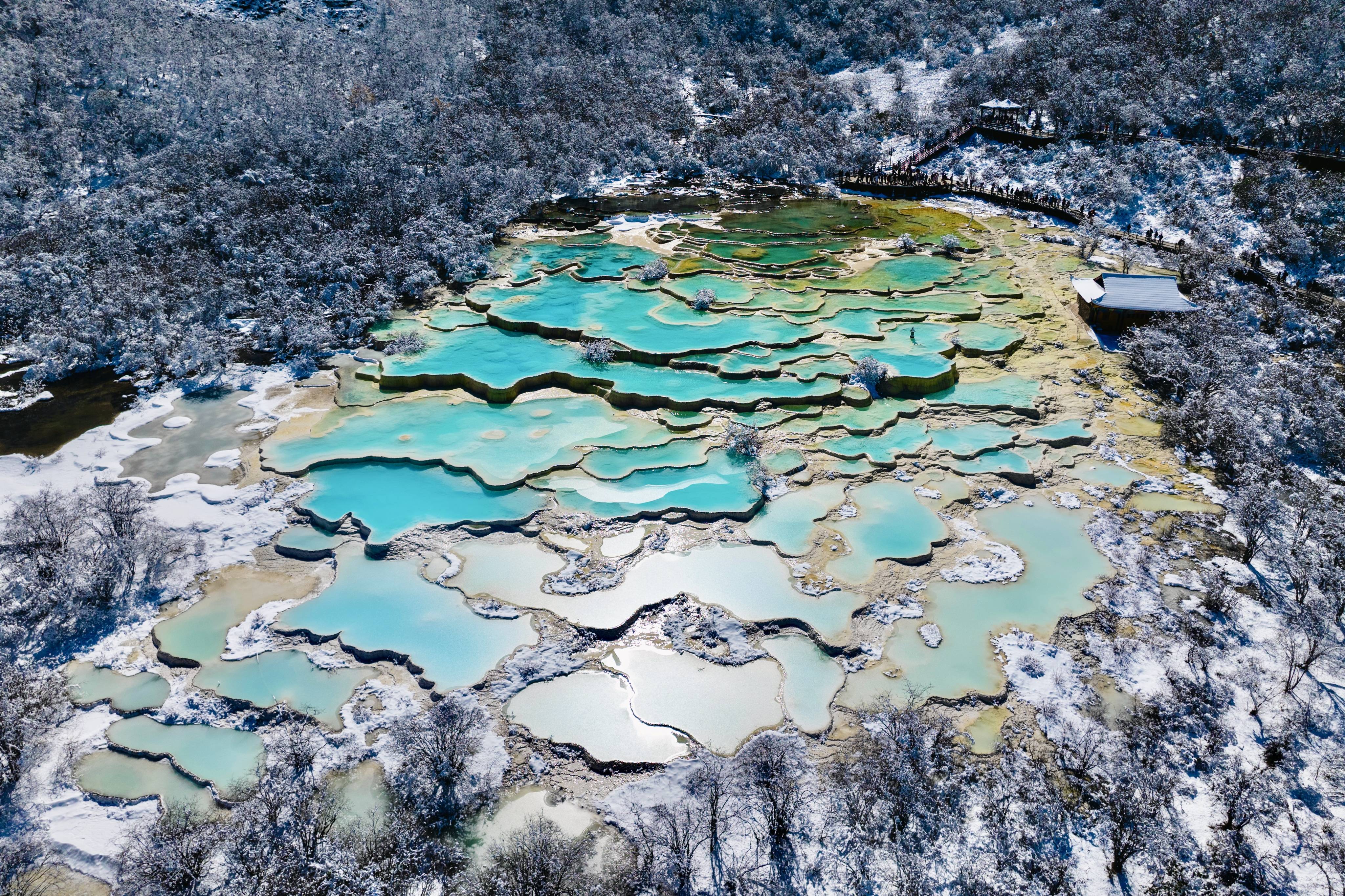
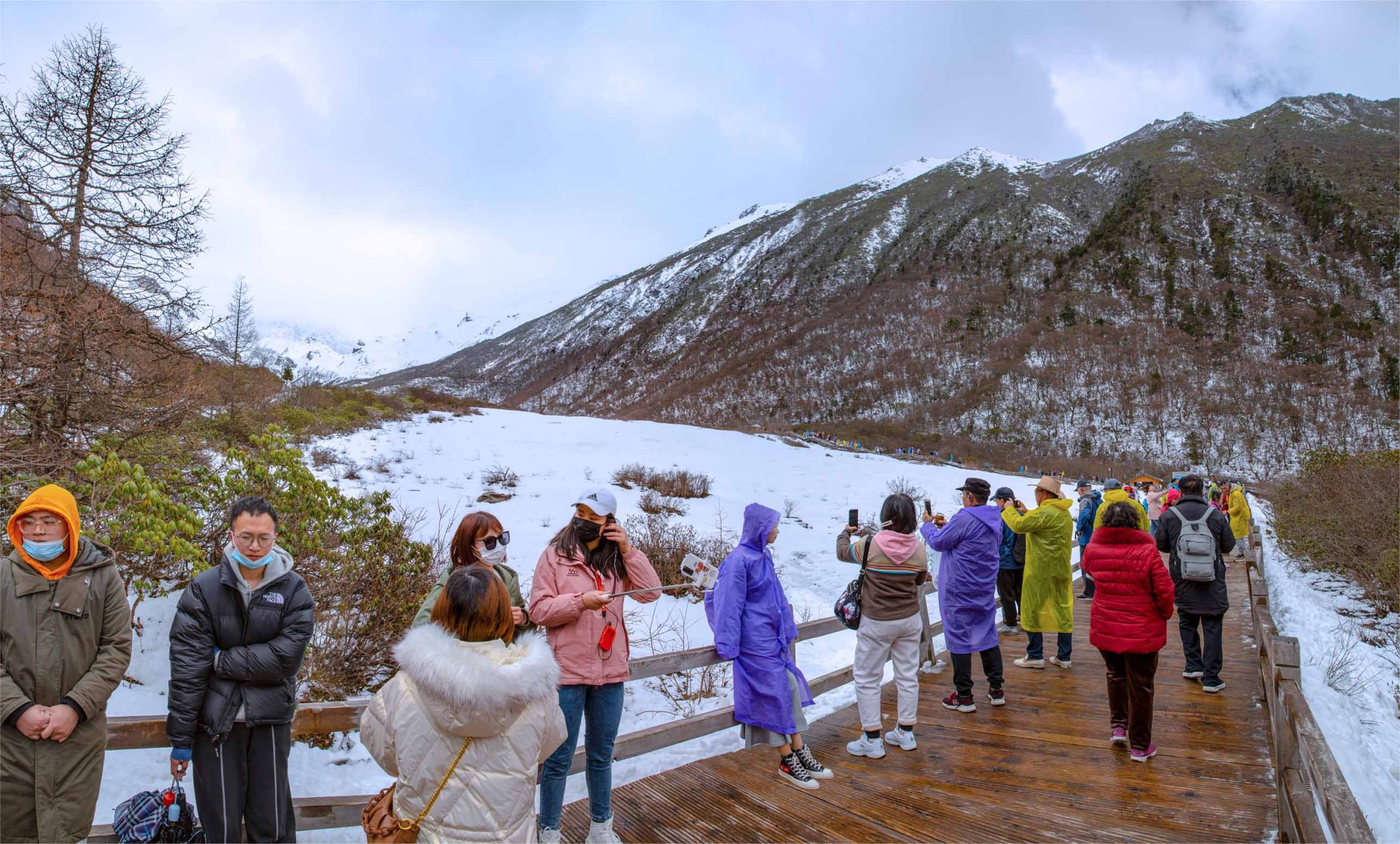
Winter (December to February) – A quiet fairyland. The contrast of emerald pools against pure white snow is breathtaking, though temperatures can drop to -20°C (-4°F) and some paths may be icy .
Spring (March to May) – Snowmelt increases mineral flow, making the colors appear even brighter, though some higher-elevation areas may still have snow cover.
Note: The best season for photography is autumn, while the "blue ice" phenomenon on frozen waterfalls occurs in winter.
Visitor Information
Location: Pingsong Road, Huanglong Township, Songpan County, Aba Tibetan and Qiang Autonomous Prefecture, Sichuan Province, China
Opening Hours:
-Peak season (April 1 – November 30): 7:30 AM – 6:00 PM (last entry at 4:00 PM)
-Off-season (December 1 – March 31): Reduced hours; check before visiting
Admission:
-Peak season: Approximately 170–200 RMB (varies by season)
-Cable car (optional): Approximately 80 RMB (one-way)
-Electric shuttle (optional): Approximately 20 RMB round trip
-Recommended Visit Duration: 0.5–1 day
Altitude Range:
-Scenic Area Entrance: ~3,070 meters (10,072 feet)
-Cable Car Upper Station: ~3,470 meters (11,385 feet)
-Five-Color Pond: ~3,576 meters (11,732 feet)
-Getting There: High-speed trains now run from Chengdu East Railway Station to Huanglongjiuzhai Railway Station (approximately 2–3 hours), followed by a carpool or bus to the park entrance
Practical Tips for Visitors
Managing Altitude Sickness (Essential!)
The elevation gain from the entrance (3,070m) to the Five-Color Pond (3,576m) is significant—approximately 500 meters (1,640 feet) of vertical ascent . To minimize risks:
Walk slowly – slow pace, soft voice, avoid excitement or exertion
Carry portable oxygen canisters (available at the entrance)
Bring glucose oral solution and high-calorie snacks (chocolate, beef jerky)
Stay hydrated – drink water throughout the visit
Descend immediately if severe headache, vomiting, or shortness of breath occurs
Recommended Route: Cable Car Up, Walk Down (The Smart Choice)
This route conserves energy by avoiding the most physically demanding uphill section :
- Take the cable car from the entrance to the upper station (~10 minutes)
2. Optional: Take the electric shuttle directly to Wanglongping/Five-Color Pond (saves ~40 minutes of walking)
3. Walk the gentle boardwalk (~20–30 minutes) to the Five-Color Pond
4. From there, walk downhill along the scenic boardwalk, passing all major attractions (Golden Sand Beach, Bonsai Pool, waterfalls, and colorful pool clusters) before exiting at the lower entrance
What to Wear & Bring
-Layered clothing with windproof/warm jacket – temperature drops significantly from base to summit
-Non-slip hiking shoes – some wooden paths can be icy in winter
-Sunscreen, hat, and sunglasses – high-altitude UV rays are intense
-Raincoat – weather in the mountains can change rapidly
-Power bank – for photography and device charging
-Snacks and water – limited options within the scenic area
Photography Tips
-Morning is the best time to photograph the Five-Color Pond—optimal lighting and fewer crowds
-Bring a polarizing filter (CPL) to reduce water surface reflections and enhance color saturation
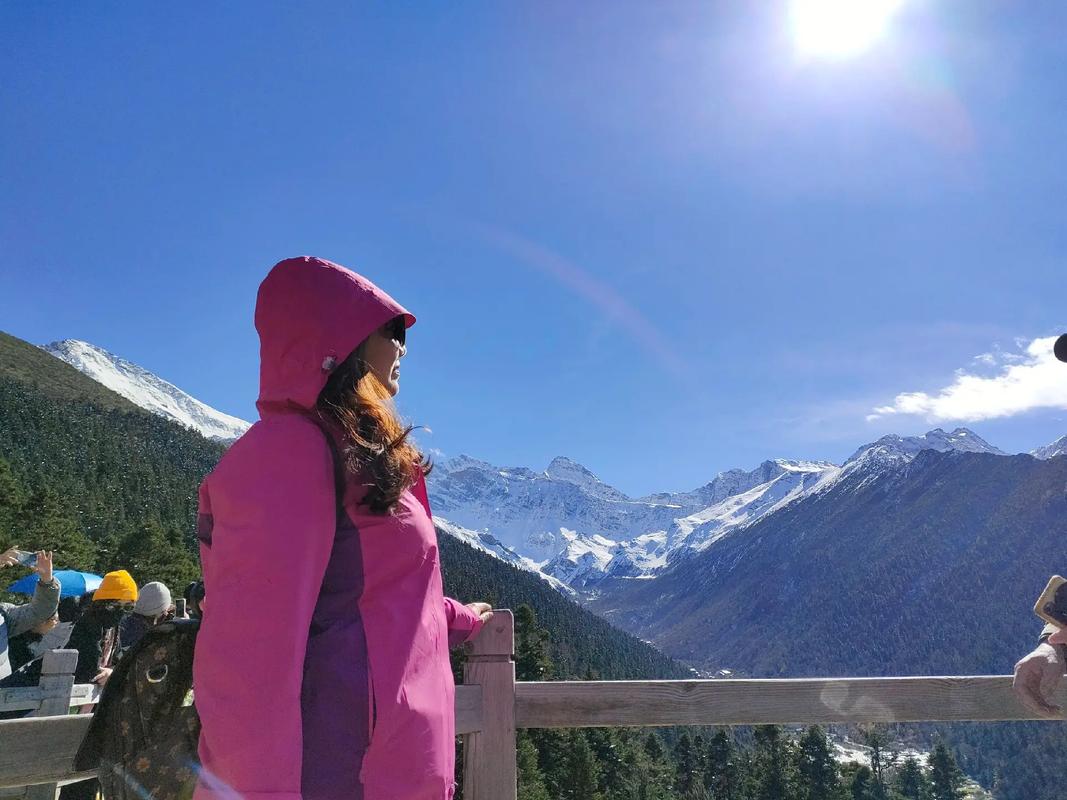
-Bright-colored clothing (red, blue, white) provides excellent contrast against the turquoise pools
Why Visit Huanglong?
Huanglong is not merely a scenic area—it is a living geological museum, a biodiversity hotspot, and a spiritual landscape where Tibetan culture meets Taoist tradition. Often visited in conjunction with nearby Jiuzhaigou Valley (another UNESCO site), Huanglong offers a complementary but distinctly different experience: where Jiuzhaigou dazzles with its broad valley lakes and waterfalls, Huanglong mesmerizes with its concentrated, terraced travertine pools cascading down a single golden dragon's spine .
Whether you are a geology enthusiast, a nature photographer, or simply a traveler seeking to witness one of the world's most beautiful landscapes, Huanglong National Park promises an unforgettable journey into the heart of Sichuan's alpine wonderland. As one visitor perfectly summarized: "Walking into Huanglong Valley is like stepping onto the back of a golden dragon"